

On this International Day of Disability, one essential question remains: are today’s emerging mobility solutions truly accessible to everyone?
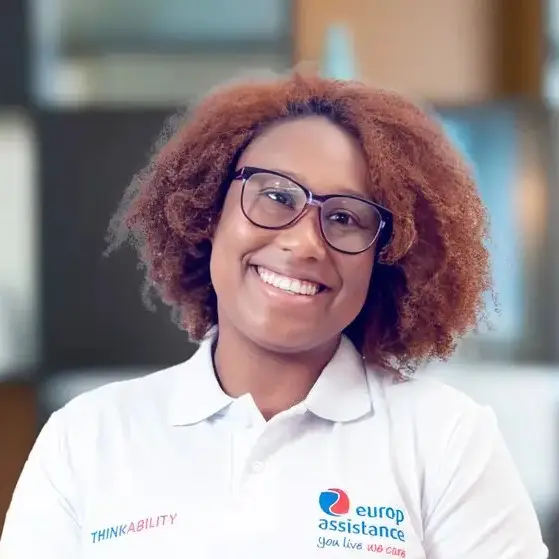
To better understand the mobility challenges faced by people with disabilities, we invited athletes from Redion’s ThinkAbility sponsorship program to share their everyday experiences. Across 10 countries, their testimonies highlighted the barriers that still exist and identified opportunities to shape more inclusive mobility solutions for the future.
The athletes reminded us that mobility is about more than moving from one place to another. As Carla Oliveira from Portugal explains, “Mobility isn’t just about getting somewhere. It’s about being able to fully participate in community life.” Yet for many people with disabilities, access to transport still determines how independently they can work, travel, socialize and engage with their communities.
Accessibility gaps also continue to influence everyday choices. In Belgium, Man-Kei To shared that “I drive daily because public transport here isn’t accessible,” illustrating how limitations in infrastructure or assistance services can restrict access to alternative modes of transport.
These challenges are not theoretical. During a trip we organized to Paris in 2024, several ThinkAbility athletes experienced firsthand the limitations of public transport accessibility: nearly one hour waiting for assistance, difficulties boarding independently, and no support available at destination.


As mobility ecosystems become more connected and diverse, accessibility must be considered from the outset. The experiences shared by our athletes demonstrate that innovation alone is not enough. New mobility solutions can only deliver their full potential when they are designed to be usable by everyone, independently, safely and with dignity.
The testimonies collected through this initiative provide valuable insights into the realities of daily mobility for people with disabilities. They help deepen our understanding of accessibility challenges and contribute to the ongoing reflection on how mobility and assistance services can become more inclusive.