
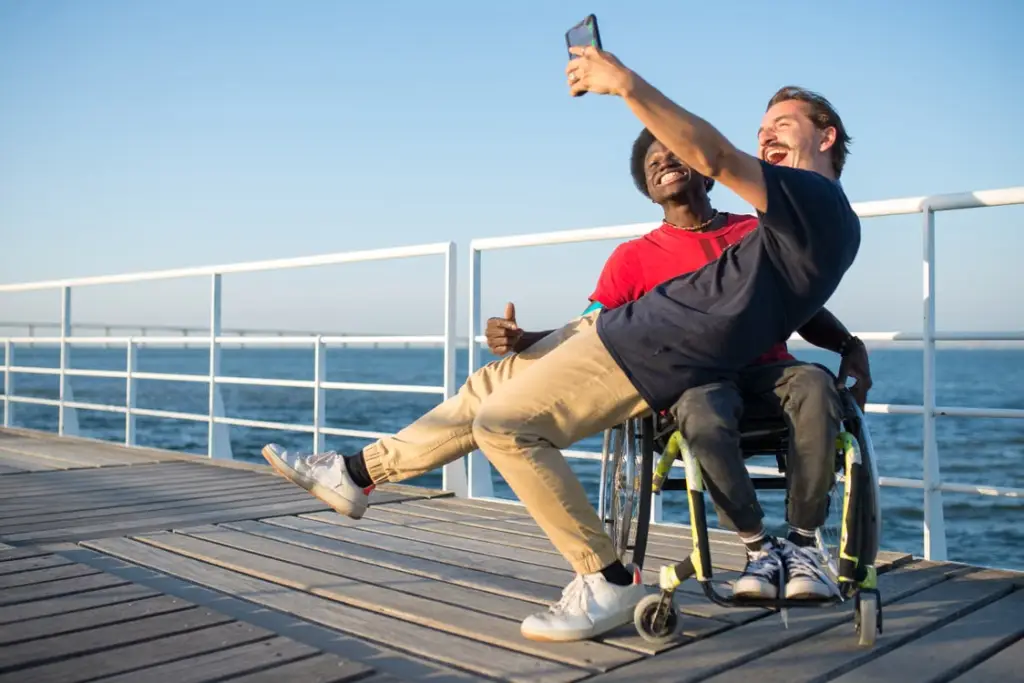
For most people, travel means freedom. For the 13 athletes supported by Redion through its ThinkAbility sponsorship program, it can also require extensive preparation, adaptation and resilience.
In 2026, we invited these athletes to share their travel experiences and the challenges they face when planning and undertaking journeys. Their testimonies revealed obstacles that often go unnoticed, from inaccessible transport and unreliable accessibility information to damaged wheelchairs and sports equipment, or assistance services that fall short of expectations.
As Valeria Pappalardo from Italy explains, “Travel is not just about moving from one place to another, it’s about participation, independence, and dignity.” Yet for many travelers with disabilities, achieving that independence remains far from straightforward.
The challenge is far from marginal. Today, more than 1.3 billion people worldwide live with a disability. For many of them, travelling remains more complex, more expensive and less predictable than for other travelers.
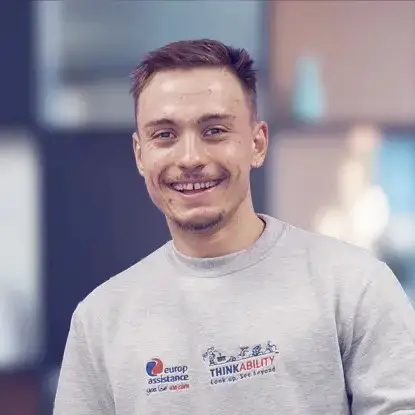



The athletes also emphasized that accessibility should not be treated as a special feature available to a few. As Florian Brungraber from Austria notes, “Accessibility should not be a luxury, but an opportunity for everyone.” Their experiences highlight the importance of designing services, infrastructure and travel experiences with accessibility in mind from the outset.
Across the interviews, one recommendation emerged consistently: involve people with disabilities from the very beginning. Better staff training, reliable accessibility information and user-centered design can make a meaningful difference to travelers’ experiences.
The perspectives shared by the athletes provide valuable insights into the realities of accessible travel today. By listening to those who experience barriers firsthand, we can better understand where improvements are needed and contribute to more inclusive travel and mobility experiences for everyone.